
Has your Oral Surgeon suggested that you have your wisdom teeth removed?

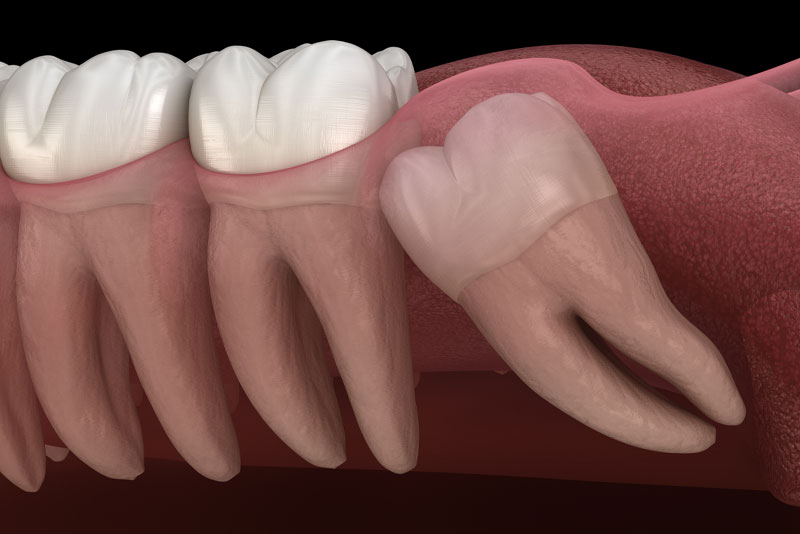
Impacted Wisdom Tooth

If you’re really feeling worried about undertaking oral surgery in Fargo, ND, you’re not the only one. Many people’s wisdom teeth emerge in between the ages of 17-25 and also start to create issues only fixed if they are removed. Understanding what to anticipate for this treatment can ease your dental anxiety and assist you in planning for your surgical treatment. You’ll be back to your daily tasks in no time!


Why do I need my wisdom teeth removed?

Wisdom teeth, also called “third molars”, are the last teeth to establish in the mouth. For most individuals, there is not nearly enough space in their mouth for wisdom teeth. When these teeth start emerging, they commonly move diagonally or horizontally and become impacted. Without treatment, they can hurt nearby teeth, cause infection, and lead to various other issues. If you visit a dental professional consistently, she or he can check your wisdom teeth with regular x-rays and tell you when it’s time to have them removed.

What can I anticipate on the day of my surgical procedure?

In most cases, you’ll just require a single surgery to remove some or all of your wisdom teeth. This surgical procedure is finished while you are under sedation. Different levels of sedation exist, so make sure to talk with your dentist about which alternative is right for your treatment as well as your degree of anxiety. When you are comfortable, your dental professional will use customized surgical tools to delicately remove your wisdom teeth. This surgical procedure generally takes less than a few hours. Afterward, you can relax in the recovery room as long as needed before you have a person drive you home.

How can I help accelerate my recovery as well as recovery?

You’ll need to rest for a couple of days after your wisdom teeth removal. Nonetheless, there are steps you can take to guarantee you have the healthiest recuperation. Try not to consume solid foods or clean your teeth till your dental professional states you can. Avoid intensive exercise and do not smoke. To keep the blood clots undisturbed, try not to drink with a straw or spit. You can delicately rinse your mouth with salt water for the first few days after surgical treatment.


Schedule your appointment

If you’re not experiencing any pain or swelling around your wisdom teeth or back molars, it’s still an excellent idea to have a dental practitioner check their development. Contact our Oral Surgeon office in Fargo, ND to schedule an appointment with your local dentist today and keep your mouth healthy!

Dental Implants: Osseointegration and Titanium Posts

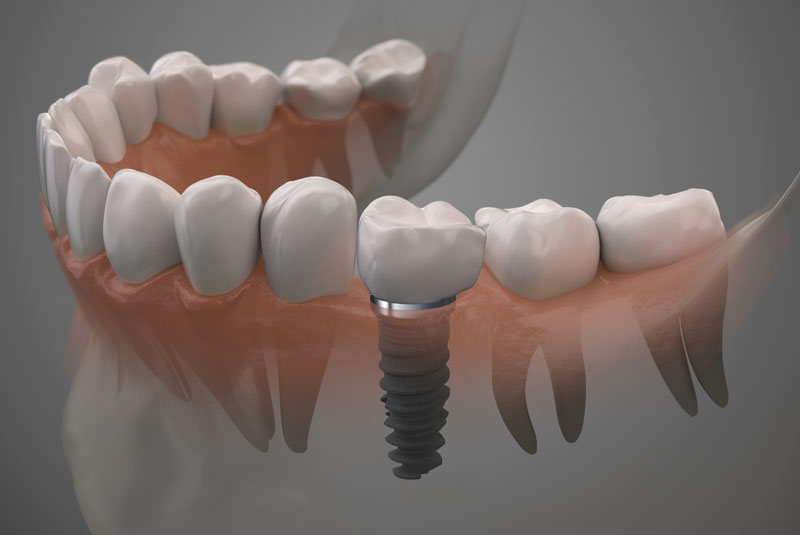
Graphic Model Of Implant

When it comes to tooth loss dental implants are the only tooth restoration option that’s is created to look and feel like your natural tooth and that is permanently installed into your mouth. Also, with the proper care dental implants have the ability to last a patient a lifetime. Dental Implants have also been proven to not only replace lost teeth, but to also help with bone growth. This is because when a tooth is missing the bone stops growing. Dental Implants provide support for bones using the osseointegration process bone growth. Review the information below to learn more about the osseointegration process.

The Osseointegration Process

  • Using X-rays your dentist determines the precise location and exact size of the implant you need
  • The location for the implant in your jawbone is chosen and then it’s placed using a titanium post
  • Over the next several months the bone will actually grow into the implant and into the jawbone

Also, because the dental implant eventually becomes an integrated part of your jawbone, it can unlike handle pressure and allow you to consume any kind of food you would like without dietary restrictions.

Why Titanium?
A big part of the resilience of dental implants has to do with the design of them. Dental implants are made out of titanium and this is partly because it has been recognized as the preferred metal of choice for dental implants because of its chemical makeup. Specifically, titanium does not contain any animal tissue or particles, and this greatly decreases the risk of your body rejecting the dental implant. Also, titanium does not have a history of reacting with other chemicals. In addition, the lightweight design and the durability of titanium make it easier to for the patient to get that natural tooth look and feel.

Schedule An Appointment
Why settle for missing teeth when dental implants are available as a tooth restoration option. Not only with dental implants provide you with tooth restoration, but they will also provide you with restoration of your confidence. If you’re interested in dental implants contact our dental office in Fargo, ND to set up a consultation.

What to Expect from a Dental Extraction

A Dental Extraction

Wisdom teeth are your last arrangement of teeth that regularly come in the middle of the ages of 17 and 25. For some individuals, wisdom teeth don’t cause any oral issues. Yet, for a few they can cause a lot of agony and annoyance when they begin to develop. This is generally alluded to as impacted wisdom teeth. The term implies that the wisdom teeth need more space to appropriately develop and fit into their spot.

Major oral issues can emerge if you’re dealing with impacted wisdom teeth. If not properly treated you might continually cause harm to the encompassing teeth and your jawbone, leading to different complexities like tooth rot. Prior to this, it might be recommended by Dr. Michael Noffze that you ought to get your problematic wisdom teeth removed.

Wisdom teeth extractions are one of the most widely recognized dental treatments and are generally executed as an outpatient procedure, which means you can return home later that same day.

The process for a typical extraction is completed in just a couple of steps. It starts with Dr. Noffze creating an entry point in the gum tissue that will uncover your teeth and jawbone. At that point the bone will be expelled and the teeth will be isolated into segments to separate. When the tooth is removed, Dr. Noffze will clean the affected area.

The recuperation period relies upon the individual and is distinctive for everybody. In any case, many people do encounter some bleeding after their operation. Utilizing bandages ought to lighten the bleeding. Numerous individuals also experience soreness afterward however, it can be dealt with by purchasing medicine prescribed by Dr. Noffze. It is critical to follow the instructions given by the doctor to keep the area clean to maintain a healthy and fully functional mouth. If you have any questions about wisdom teeth extractions. Contact our office located in Fargo, North Dakota so we can set you up with an appointment with Dr. Noffze.

The Brushing Basics

The Brushing Basics

Oral hygiene is something we learn about from the time we are children. Brushing and flossing may be
second nature to you, but are you doing it the proper way? It may seem like a rhetorical question, but
most people do not brush their teeth for the correct amount of time or with the correct techniques.
Brushing for longer than two minutes may damage your teeth, but shorter than two minutes may cause
poor oral health and lead to disease and decay.
If you’re in need of some tips and tricks to the basics of brushing, you’re on the right road to a better
smile:

When you brush your teeth, you should avoid using a lot of pressure but instead use short, gentle
strokes. Hard to reach places should be a focus, because they are the spots where food could collect and
don’t always get touched by the bristles. On top of the hard to reach places, the spaces in between your
teeth should be a main priority, too.

Along with using the proper brushing techniques, you will also need to use the right toothbrush and
toothpaste.

To get the most out of brushing, a good toothbrush is essential. There are many different models to
choose from, which can make it extremely difficult to pick the right option. When you make your
choice, you should look for a brush that has soft bristles. Soft bristles are easy on your gums, and they
remove plaque and other debris from your teeth. A small head is also preferred, as it can easily reach
hard to get places, such as your back teeth.
Along with toothbrushes, there are a variety of toothpastes available, designed to help you with a
variety of different conditions. You can get toothpaste that will prevent toothaches, stop sensitivity, and
prevent tartar and gingivitis. Toothpaste is a great way to protect your teeth, therefore you should
always ask your dentist what type of toothpaste they recommend for you.

Always remember to replace your brush every couple of months, or when the bristles start to show
signs of wear and fray. If the bristles start to get worn down, they can tear away at your gums, leading to
sensitivity. If you’ve had a cold you should replace your toothbrush, simply because the bristles can
contain germs that could get you sick again.

There are many things to know about brushing your teeth and the basics of it, but with these simple
steps, you will be on your way to be a brushing master. Reach out to your dentist if you have any questions.